
History

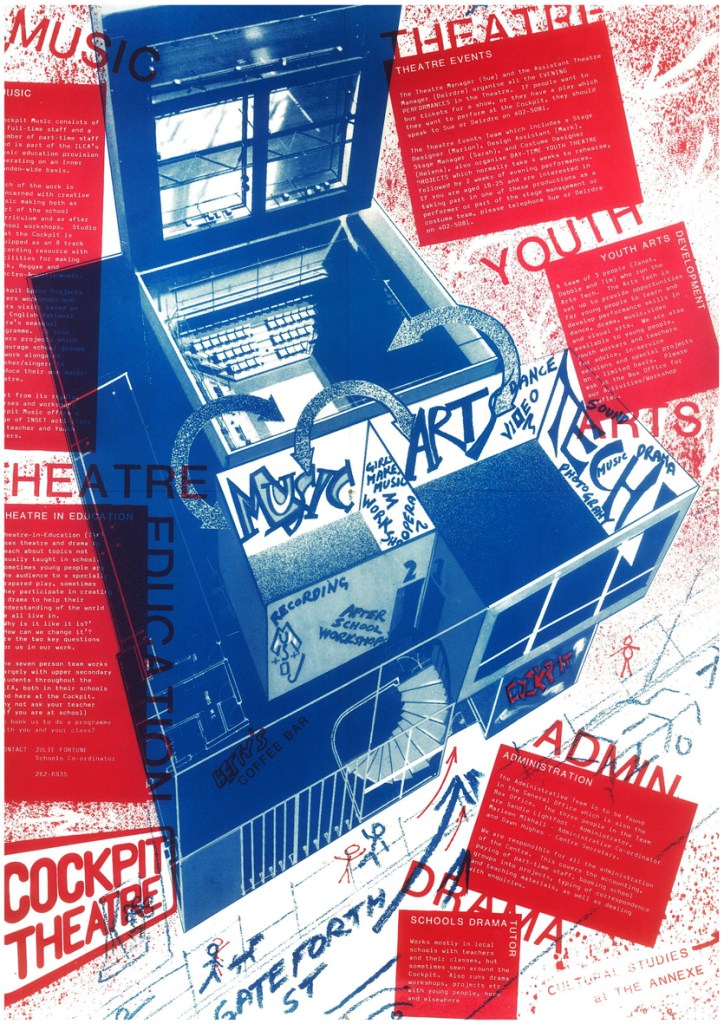
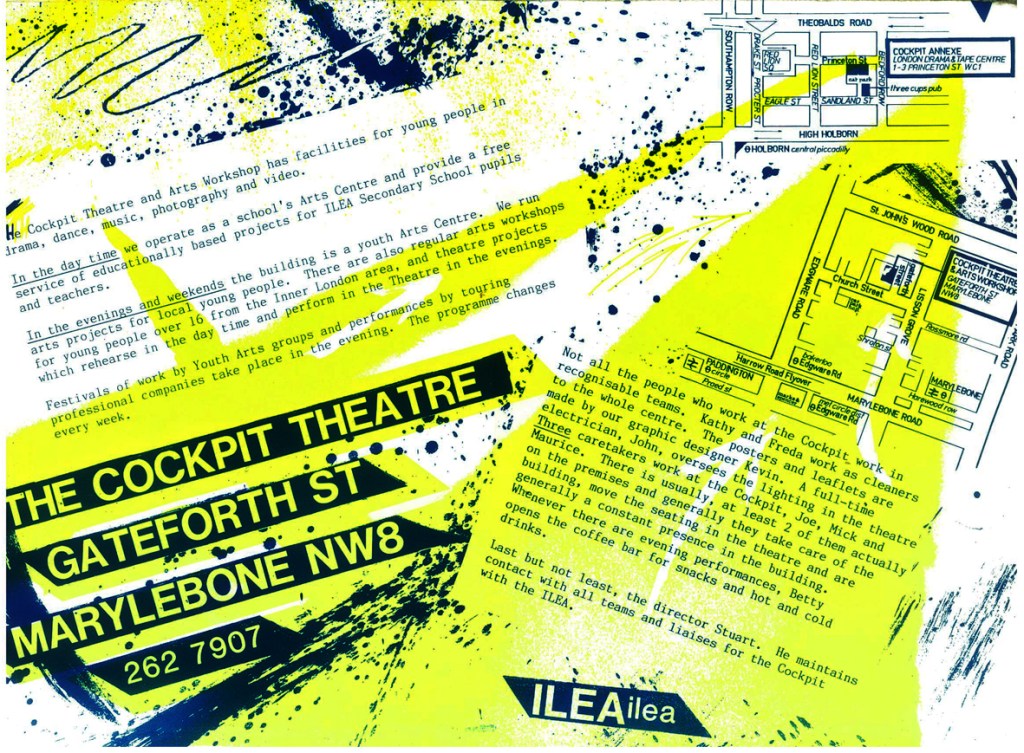
The Cockpit Arts Workshop, located in Gateforth Street, Marylebone, NW8, was established in 1970 as the first purpose-built youth arts workshop and theatre in the round by the Inner London Education Authority (ILEA 1964-90). It served as a teacher’s centre, a youth centre, and a public theatre. It was administered by the Community Education and Careers branch of the ILEA. The Workshop was one of four regional youth arts theatres, each serving a quarter of inner London, associated with Oval House in the south west, The Curtain for the north east, and Greenwich Young People’s Theatre in the south east. Its Visuals Team, the precursor of the Department of Cultural Studies was created in 1972 to work in collaboration with the performing arts, and in 1974, an Art Department was established.

Early Developments
The Art Department was renamed the Department of Cultural Studies In 1978, when it moved to the ILEA Tape and Drama Centre, in Princeton Street, Holborn, where a photographic studio, darkroom and gallery were established. The Gallery project had originally been initiated by Alan Tomkin in the small theatre foyer gallery at Gateforth Street, showing a variety of art projects related in some way to local artists, theatre and performance. At Holborn the gallery expanded into a fully public gallery with an annual programme of exhibitions focused upon young people and photography, closely related to the Department’s programme of work with schools. They also collaborated with other arts, youth, and community projects throughout London. The Gallery developed a touring exhibition system initially to allow ILEA schools to hire shows free of charge and subsequently available nationally to arts, community and educational groups.
People
In 1977, the number of full-time staff members at the Cockpit Theatre had grown to 23. They were led by Alex Davidson as the first director who was succeeded by Stuart Bennett. The staff were divided into five teams that focused on theatre in education, music, art, outreach, and theatre events. The support staff included administrators, secretarial staff, box office personnel, catering staff, and electrical and workshop technicians. A Printing Department was used for publicity and team reports.
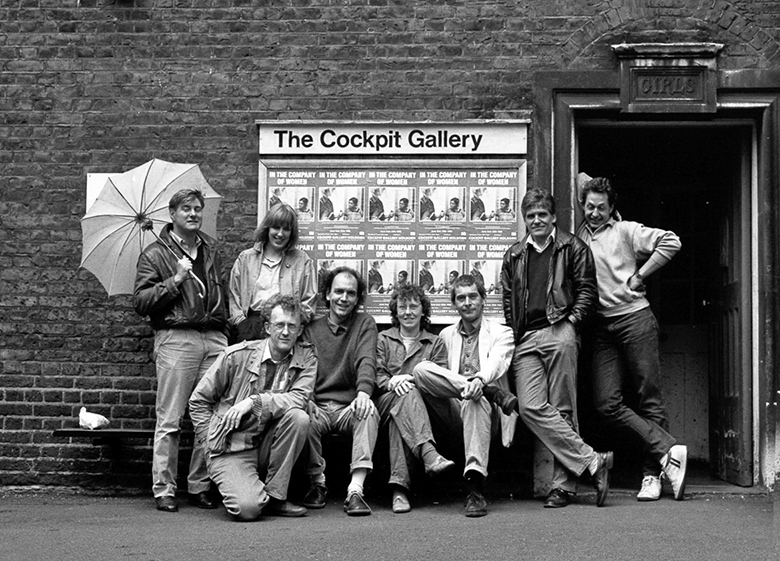
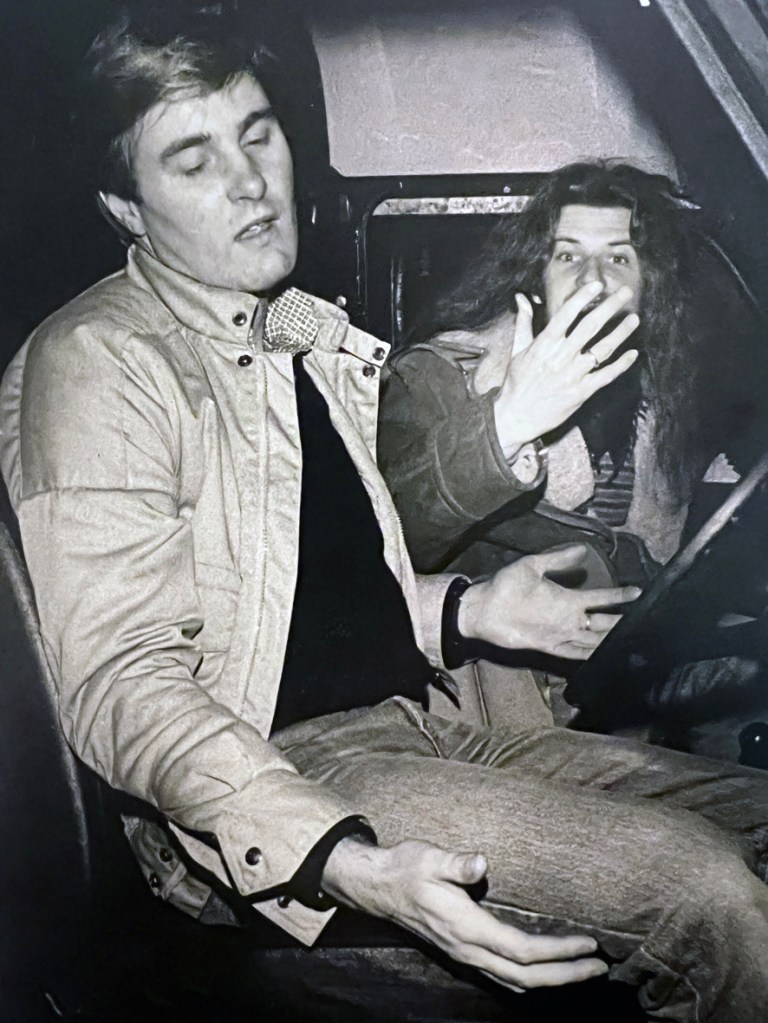
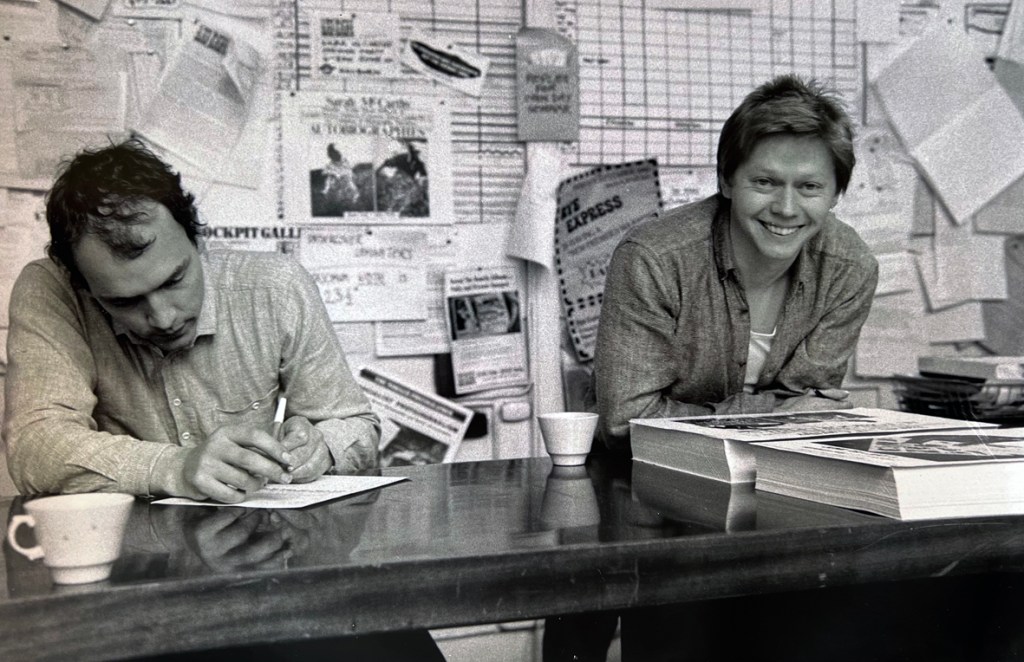
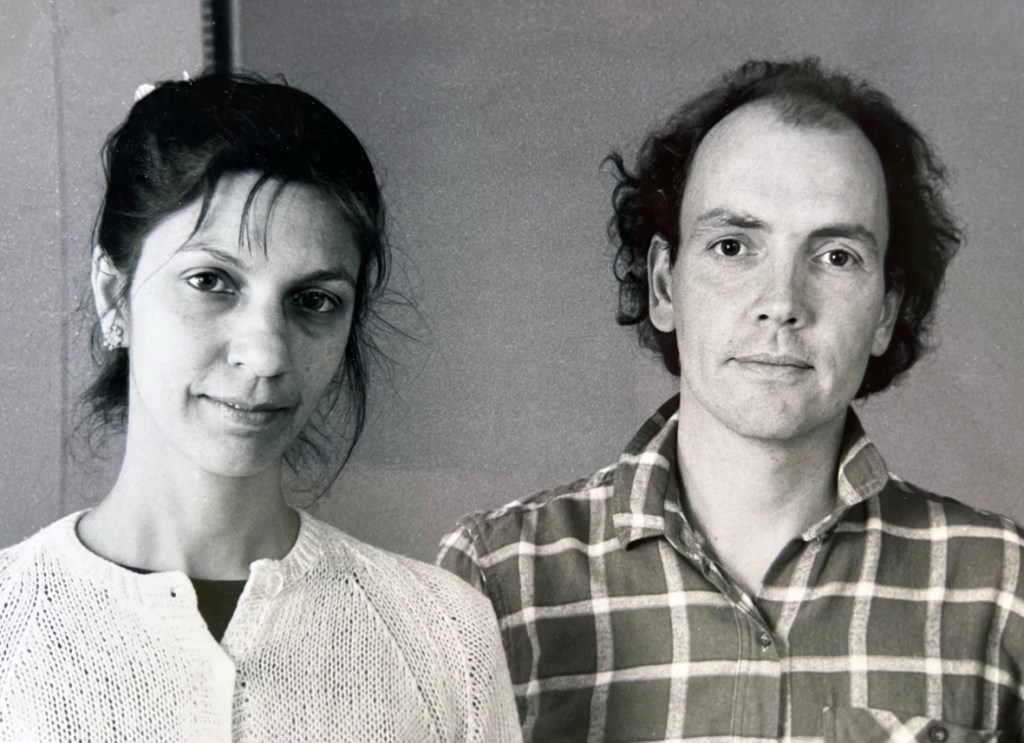
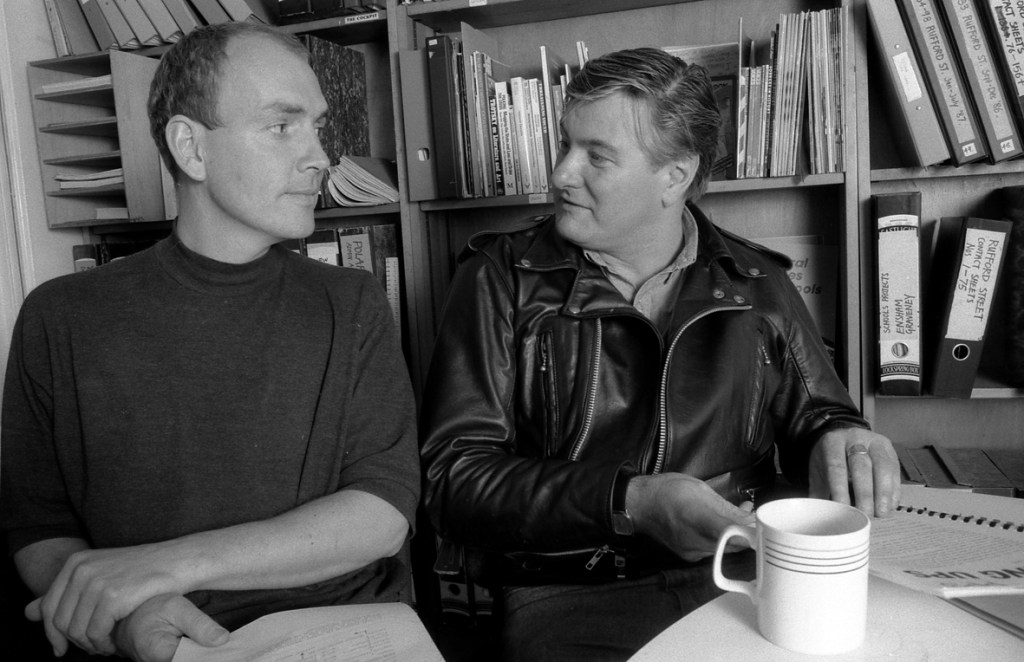
The Art Department and subsequent Department of Cultural Studies began as The Visuals Team, led by Howard Romp (1972-4), and joined by Adrian Chappell (1973-86) and Alan Tomkin,(1973-86) working with young people to create ‘Tableau Vivants’, or living pictures, of well-known paintings reconstructed in the classroom or theatre as visual theatrical events. Andrew Dewdney (1975-89) joined in 1975 along with Eileen Hooper Greenhill ( 1974-77) which led to school projects in conjunction with The Tate and National Portrait Gallery where education projects were just starting to develop. Martin Lister (1977- 85) joined in 1977, when the Art Department was renamed The Department of Cultural Studies. Dave Hampshire was funded by the GLAA to work as a photographer-in-residence. Steve Miller initially worked on a part-time contract in Cultural Studies. He later worked as a community arts worker at the Walworth and Aylesbury Community Arts Trust. (WACAT) During his tenure there, he collaborated with Cultural Studies on the publications Scagg and Sniffin Glue. Steve was also responsible for creating the Schooling & Culture design house style for the last three issues of the publication The State We’re In. Amina Patel joined as a full time lecturer and Claire Grey was originally a teacher at Sacred Heart School, who later came to work at the Gallery and subsequently as a full time lecturer in Cultural Studies.



Teachers
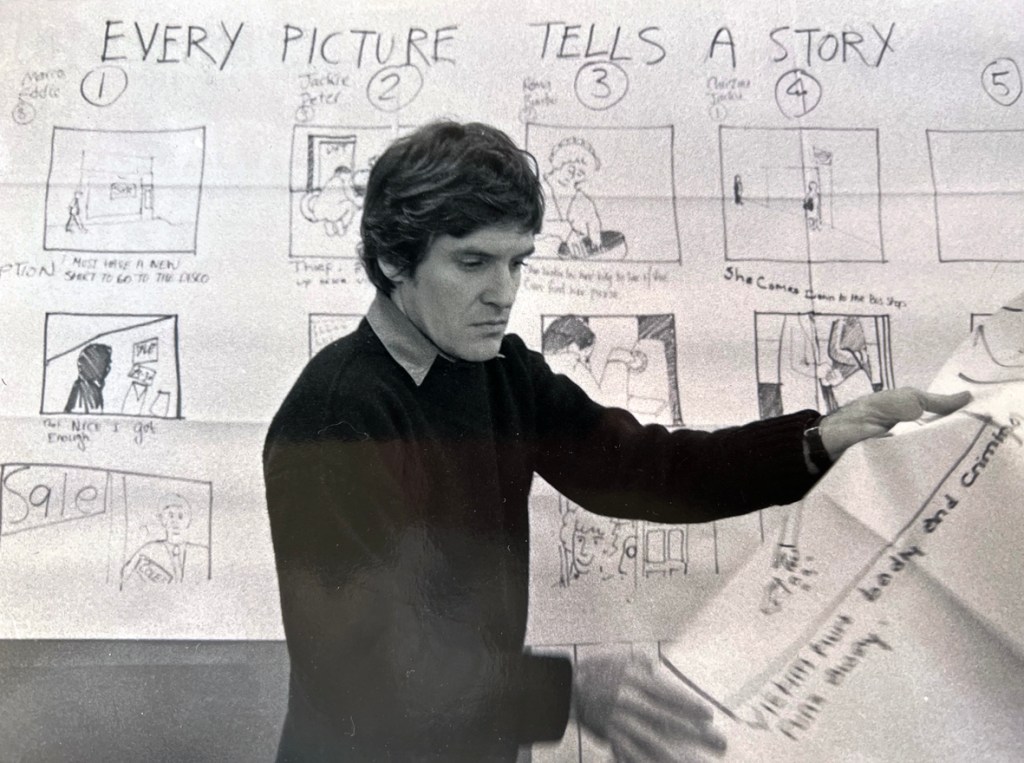
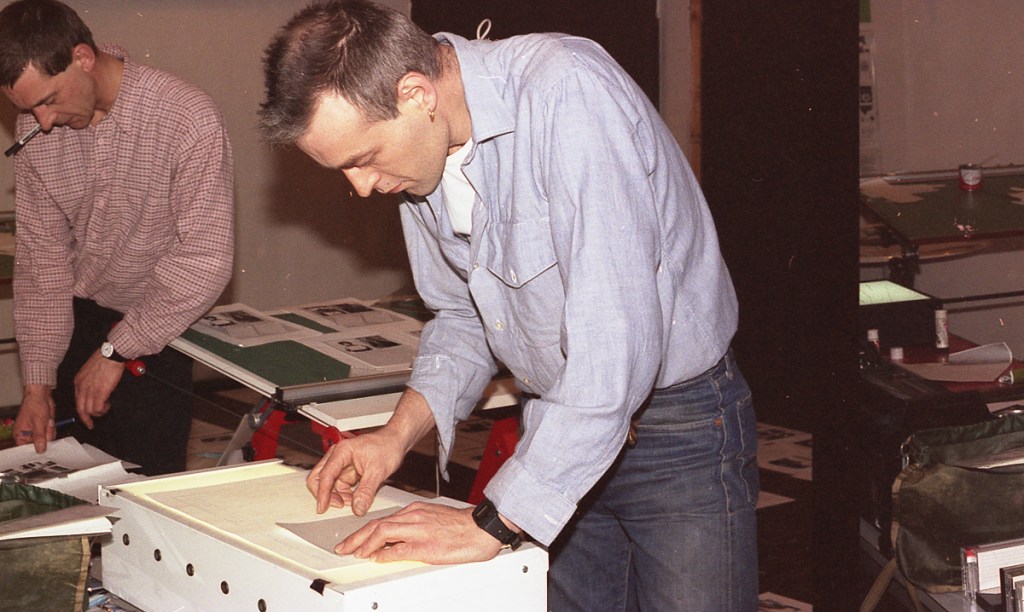
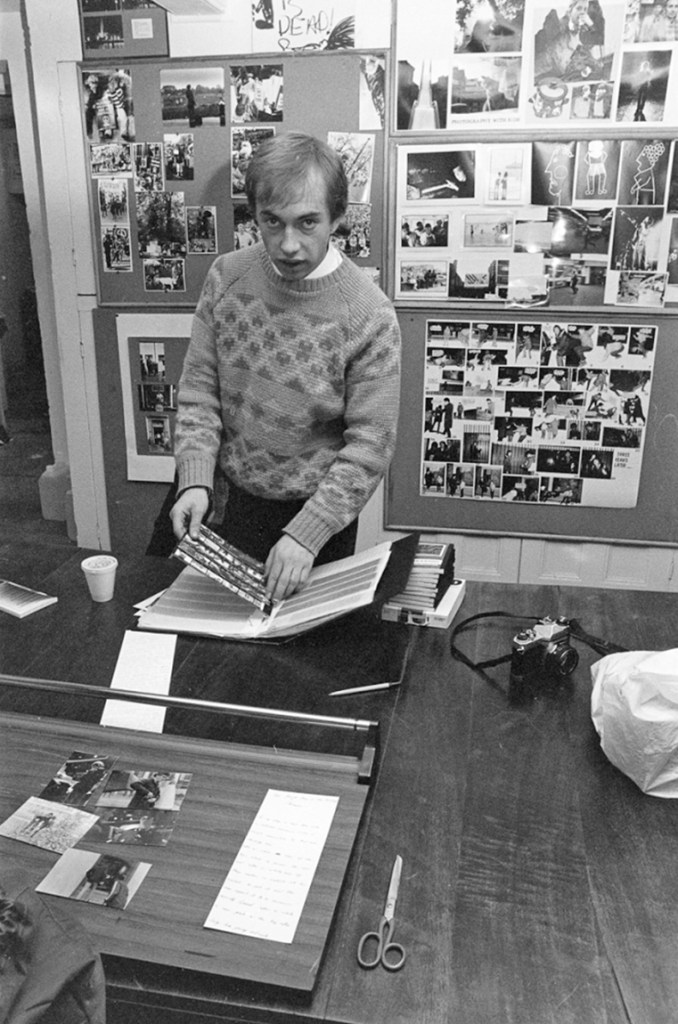
There were a number of people who regularly collaborated on projects. In 1979, the Cultural Studies team received funding from the Greater London Arts Fund to pay for Dave Hampshire to be a photographer in residence. His work with the Rockabillies group led to the creation of the Our Way of Rockin’ exhibition. Some of the teachers involved in these projects were Ian Sillett from Geoffrey Chaucer School, who collaborated on the exhibition Being at School and Colin St Leger from Hackney Downs School, who worked with his group to produce On Yer Bikes Boys. Andy Minnion, who worked with homeless children in the Rufford Street settlement, produced the Down But Not Out exhibition. Phil Cohen collaborated with Adrian Chappell on the No Kidding publishing project, working with the post-16 education centre at the Institute of Education in 1983-4. Their first exhibition focused on the transition from school to work. Tony Hall was employed part-time to create all the slides of the exhibitions.


Administrators
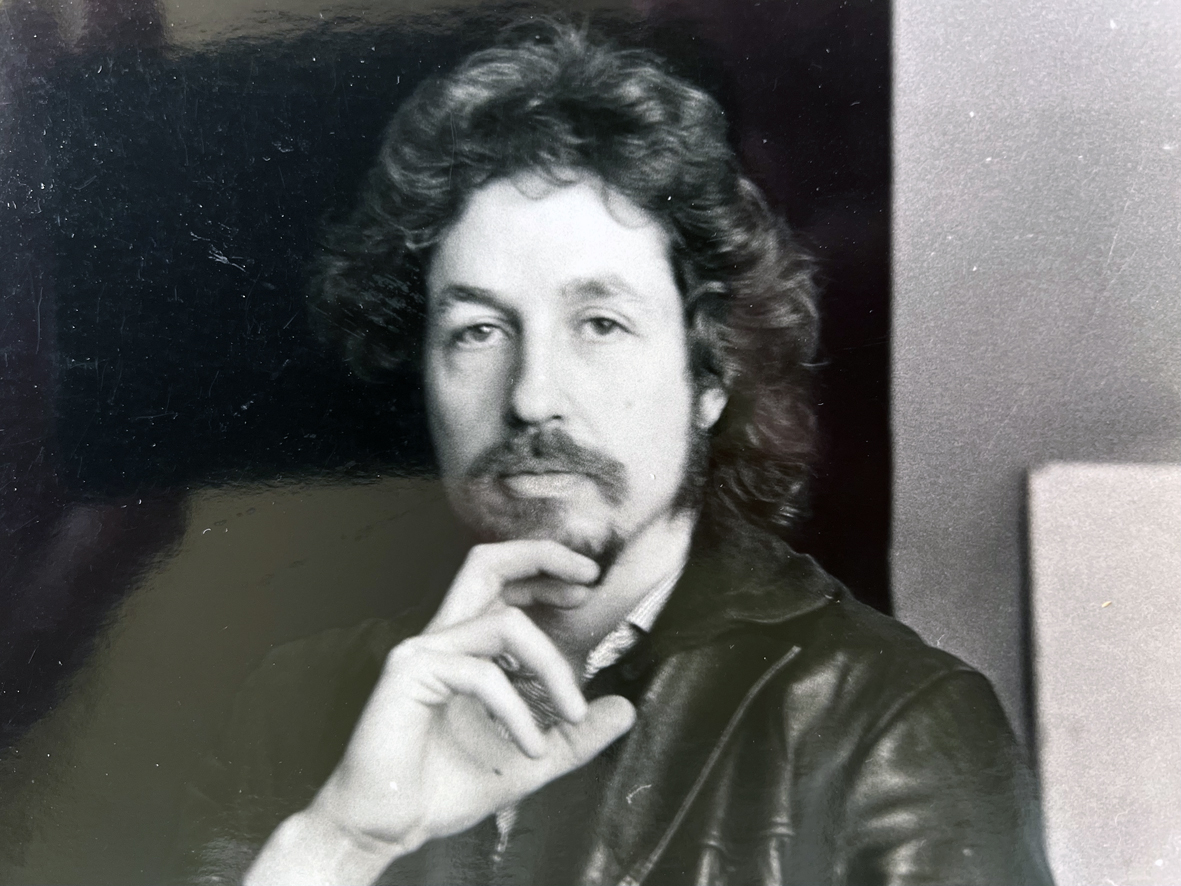
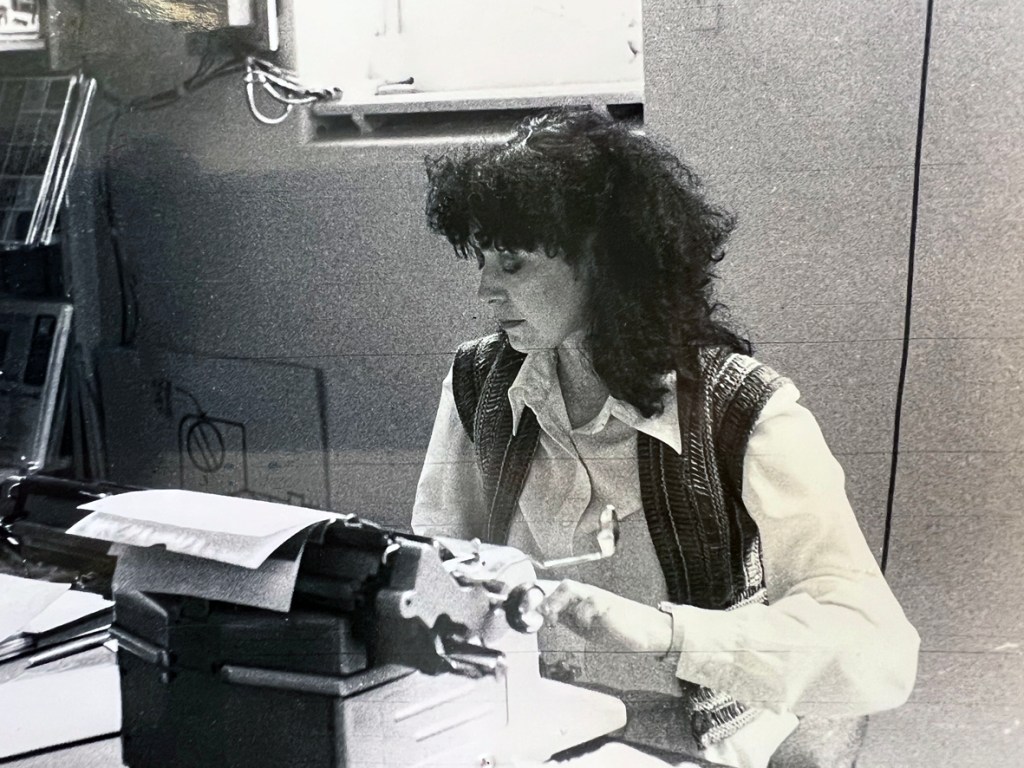
Sandra Lightfoot was the Cockpit Arts Workshop Administrator over the duration of the projects. Marleen Mikhail was Administrative Co-ordinator, seconded to Cultural Studies.

The Cockpit Gallery
The Cultural Studies team had a strong relationship with Terry Dennett and Jo Spence, who ran Photography Workshop and who had collaborated with the Half Moon Gallery in Alie Street. Half Moon was only the second independent gallery in the UK dedicated to exhibiting photography. They had released the first issue of Camerawork magazine in 1976. After Jo split from the Half Moon, she worked as the administrator for the Cockpit Gallery for a short period in 1982-3. The Gallery showcased Jo’s own work and the group projects that she contributed to including exhibitions such as Who’s Still Holding the Baby, Beyond the Family Album, Polysnappers, and the Picture of Health.
Sandy Bailey worked for the gallery along with Jo Spence (1982-3) who was the first independent administrator. Jenny Matthews worked on a part time basis during Jo’s employment. Gloria Chalmers succeeded Jo as the administrator and later founded Portfolio Gallery in Edinburgh. After Gloria, Rhonda Mason was hired as the administrator, and Anne-Marie Bur picked up the role later.

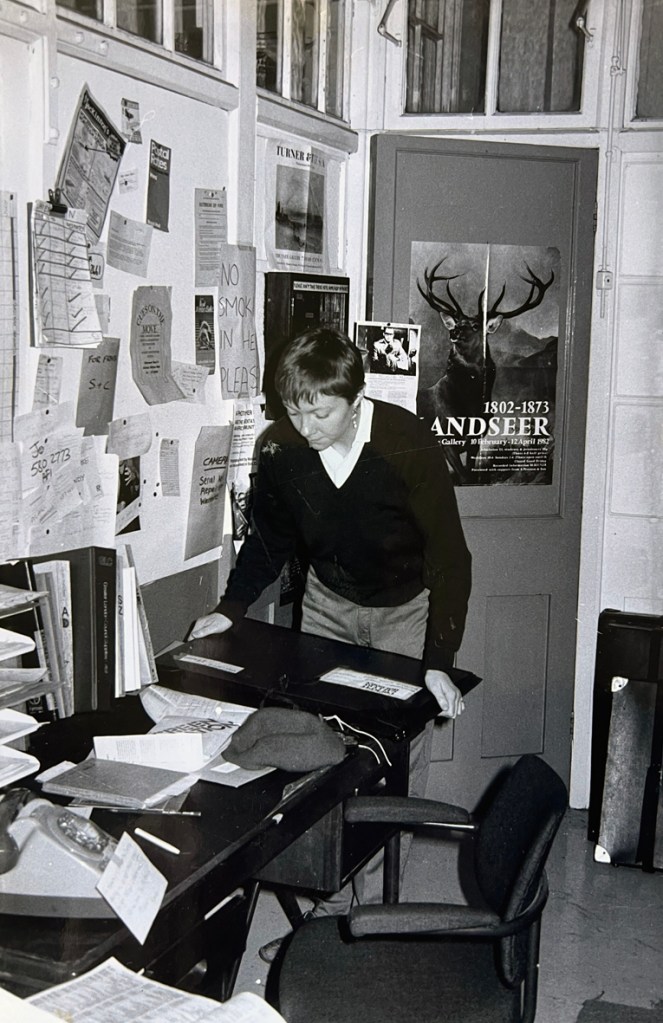

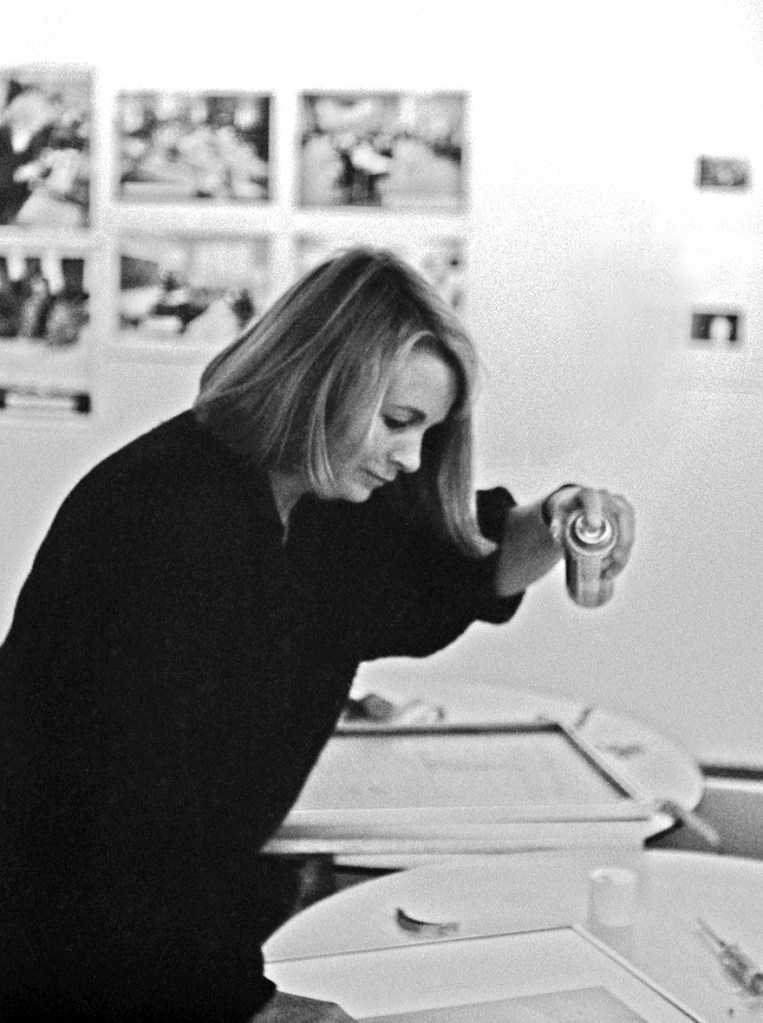
Alan Tomkins was seconded to the Greater London Council (GLC), where he helped increase the Cockpit’s profile. As a result, they could apply for funding to hire three full-time staff members to manage the Gallery in 1984. These three staff members were Gloria Chalmers, Claire Grey, and Judith Raynor.

Later Developments
The Cockpit Gallery was created as a separate project in 1985/1986 so that it could apply for funding following the abolition of the GLC. By around 1985, only two of Holborn’s original four members of the Cultural Studies team remained. Alan was at the GLC, Adrian was seconded to Willowbrook Road Urban Studies Centre in Peckham and Martin left in January 1986 to work on the Art and Society degree course at Mid Glamorgan Institute in Cardiff. Alan Tomkins briefly returned when the GLC was dissolved and later went to work at Interchange in Camden. Andrew went on secondment to Australia at the Inner City Education Centre in Sydney. In 1986, Amina Patel became a full-time member of the department. Claire worked for the Gallery from 1984 to 1986 and was later re-employed by ILEA to work for the Cultural Studies team from 1987 to 1989. Amina was responsible for the Aurat Shakti exhibition when she joined the Cultural Studies team. While she was on leave, Cultural Studies employed Richard Lee and then Molly Shinhat, who worked on Who’s Zooming Who.
Closure
In 1990, the Arts Workshop was dissolved due to the abolition of ILEA. Andrew Dewdney spent the final residuary year after his return from Sydney working at the English and Media Teachers Centre, Claire Grey and Amina Patel took redeployment to Kingsway College. The Cockpit Gallery relocated to Interchange, based at 15 Wilkin Street, NW5, where it spent its final years. During this period, it was reunited with Alan Tomkins.

 Cockpit Gallery Exhibitions & Cultural Studies projects 1973-89